Here's how to transfer credit card balances to help you pay off debt. - Check your current balance and interest rate.
- Pick a balance transfer card that fits your needs.
- Read the fine print and understand the terms and conditions.
- Apply for a balance transfer card.
- Contact the new credit card company to do the balance transfer.
.
In respect to this, how do you transfer money from one credit card to another?
Yes, you can transfer money from one credit card to another through the balance transfer option. In balance transfer, you can transfer the total outstanding amount of your credit card to another credit card but the total outstanding amount should be lower than the credit card limit of your new credit card.
Also Know, is it a good idea to do a balance transfer? Still, if you are able to find a new credit card with a very low interest rate, little or no balance transfer fee, a credit limit high enough to accommodate your previous balance, and an introductory period long enough to pay off that balance before the rate increases, then a balance transfer is a good idea.
Also question is, when you transfer balance on credit cards what happens?
A balance transfer is the process of transferring high-interest debt from one or more credit cards to another card with a lower interest rate. This will help you pay off debt faster, since more of your payments will go toward the principal balance each month instead of toward interest charges.
How long does a balance transfer take from one credit card to another?
about five to seven days
Related Question Answers
Do balance transfers hurt your credit?
A balance transfer can hurt your credit score by increasing your single-card utilization, lowering your length of credit history and adding a hard inquiry to your credit report. But it can also boost your score by increasing your overall card utilization, and it can help you pay off debt faster.What happens when you transfer a balance from one credit card to another?
A balance transfer is when you repay existing debt with a new credit card. This moves, or transfers, your balance to the new card but does not reduce the amount you owe. Instead, the point of a balance transfer is to get a lower interest rate, save money on finance charges and pay off what you owe much faster.Does a balance transfer close the account?
After the balance transferCut up your old credit card so you can't use it, but think twice before you close the account right away. Doing so will have a negative impact on your credit score by increasing your debt-to-credit ratio.Is it smart to pay off one credit card with another?
In some cases, moving a credit card balance onto another card (known as a balance transfer) makes good financial sense, because it can simplify your payments and may help you save on interest charges. However, sometimes paying one card off with another can lead to more financial problems.What is balance transfer fee?
A balance transfer fee is a fee that's charged when you transfer credit card debt from one card to another. It's usually around 3%–5% of the total amount you transfer, typically with a minimum fee of a few dollars (often $5–$10). The fee is charged by the company that issues the credit card you transfer the debt to.Is it bad to transfer a credit card balance?
A balance transfer can be a good way to pay down credit card debt. But, depending on several factors, balance transfers can either help your credit score or hurt it. By initially applying for several different cards with low introductory rates, you can negatively affect your credit.Can you transfer half a credit card balance?
You can make a partial balance transfer if the transfer card's credit limit is less than the amount you're planning to transfer. When you transfer a balance, you usually do so to move high-interest debt from one creditor to another creditor with a lower interest rate, often 0% at the start.Can I use my credit card after balance transfer?
Though possible, in most cases, you should not make purchases with a balance transfer credit card until the balance you transfer is paid off. As great as those rewards may seem, it's best to avoid using the card for everyday purchases while you have a balance on it.How are payments applied to balance transfers?
Generally, your issuer divides your credit card payment into two parts: The minimum payment is the portion of your balance you're contractually obligated to pay each month. The Card Act requires issuers to apply this part of your payment to the highest-interest balance first.What is a credit card minimum monthly payment?
Credit card issuers tend to set minimum payment requirements at rock-bottom levels. You'll generally owe either a fixed amount — often $25 — or a percentage of the balance, whichever's greater. Some cards require you to pay only 1% or 2% of the balance each month, plus any fees and accrued interest.Does balance transfer count as a payment?
A balance transfer does count as a payment to the original creditor to which you owed the balance. You should continue to make at least the minimum payment to your original creditor until the balance transfer posts to the new account.Can I transfer my husband's credit card balance to mine?
In some cases, credit card issuers will require you to add your partner as an additional cardholder before their debt can be transferred to the new credit card. Otherwise, you may simply be able to transfer the balance from any person's account to your own.Is there a downside to balance transfers?
Cons of a Balance TransferYou could end up with a higher interest rate if you don't qualify for a promotional interest rate. Not everyone qualifies for the promotional interest rate. Leaving your balance on the old credit card may cost less in the long run. A balance transfer could hurt your credit score.Do balance transfers negatively affect your credit?
Does a balance transfer affect my credit scores? In short, yes. When you take out a new credit card, a hard inquiry is added to your credit reports and the average age of your accounts decreases. This may negatively impact your scores.How many credit cards is too many?
To answer your question about whether seven cards is too many, the best information I can give you comes from the FICO high achiever statistics, an analysis by the credit scoring giant into the habits and attributes of approximately 50 million U.S. consumers who score above 785. Base FICO scores range from 300 to 850.Can you do a balance transfer from the same card twice?
WalletHub, Financial Company. You can do multiple balance transfers to the same card, as long as the amounts transferred and any transfer fees do not exceed the card's credit limit. Remember that a separate transfer fee applies to each balance that you transfer. Some issuers may also have their own restrictions.How do you transfer credit?
For example, you can send an SMS with 'Transfer 08031234567 1500 1234' to 777. You can also transfer credit from your phone to another MTN customer's phone by dialing *600*Recipient's Number*Amount*PIN# on your phone and then click on send/press ok. For example dial*600*08031234567*1500*1234# and then send/ok.How much can you balance transfer?
Is there a limit on balance transfers? Credit card providers limit the amount of money you can transfer onto a balance transfer credit card. These limits can vary based on the card issuer, but it's common to be restricted to transferring no more than $10,000 or $15,000 within a 30-day period.How does a 0 balance transfer work?
You can't pay off one credit card with another credit card, but you can move a balance to another credit card with a balance transfer. With a 0% balance transfer, you'll enjoy a 0% interest rate on the balance transfer for the entire promotional period, which must be at least six months. 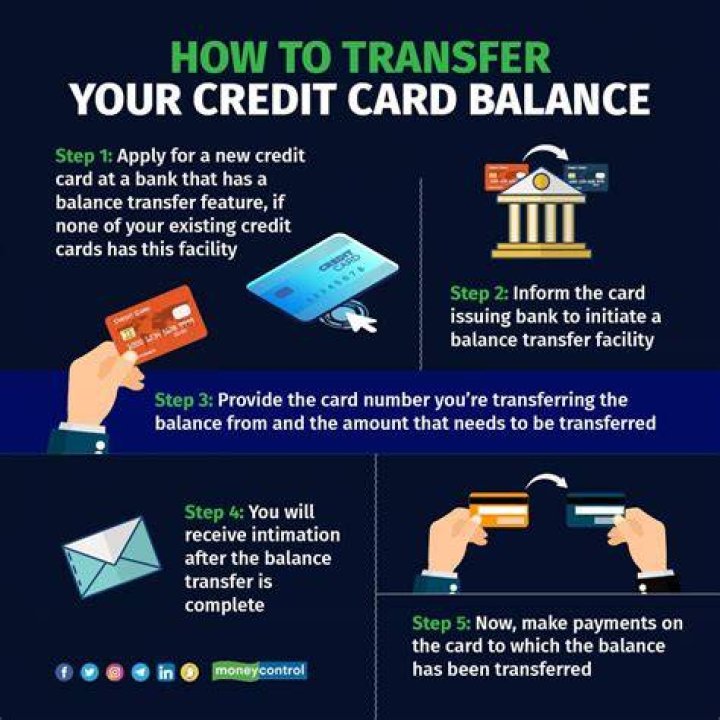
 James Craig