English ivy can be controlled with mowing. But the mowing must be frequent (like mowing a lawn) and you must mow the entire infestation to “starve-out” the plants. Pull it up. English ivy in trees can be killed by cutting the stems at the ground and removing the vines from the tree as high as you can easily reach..
Just so, will mulch kill English ivy?
Ripping ivy plants out of the ground and then covering the ground with either mulch or newspaper and mulch to kill the ivy roots is an option, but you can kill entire ivy plants, including their roots, by smothering them; pulling the ivy vines out of the soil first is not necessary.
Similarly, how do you stop English ivy from spreading? You can mow ivy groundcover to ground level several times a year to slowly kill the spreading vine. With a pair of thick gardening gloves, pull out any English ivy, making sure to remove all of the roots. A trowel can be used over hand-pulling to help with any stubborn roots.
Similarly, it is asked, when Should English ivy be cut back?
Severe pruning in the late winter or early spring allows you to see and remove the most aggressive vines and encourage new, controllable growth. Cut stems back to a more manageable size and pull out the excess vines. Leaving at least 18 inches on each healthy vine gives them plenty of encouragement and room to grow.
How do you get rid of English ivy in your yard?
Glyphosate is the chemical that works most effectively to kill English ivy.
- Spray the area of ivy you wish to kill, but be careful the glyphosate doesn't reach other plants you want to keep.
- Herbicides are slow-acting, and must be reapplied every six weeks or so.
Related Question Answers
What kills Ivy permanently?
Combine three pounds of salt with 1/4 cup of liquid soap in one gallon of water, then pour the mixture into a spray bottle or garden sprayer. Apply boiling water to plant roots daily to kill ivy. Note that poison ivy will still retain its skin-irritating oils if you employ this method, so use tongs to remove the ivy.How deep are English ivy roots?
In Washington, DC, English ivy root depth ranged from 1 to 4.13 inches (3.0 -10.5 cm) below the soil surface [169].Does ivy grow back from roots?
Ivy can regrow from cut roots, so you make sure you remove the ivy from your garden once it's been cut down.Can you compost ivy clippings?
No, you can't compost ivy – well, not straight away. Ivy has a tendency to grow and grow – and being put in the compost heap doesn't really change that – so if you put it in your usual heap, it will quickly take root and take over.Can you mulch ivy?
Cover With MulchTo help prevent this, cover the area with a thick layer of mulch, at least 6 inches deep. You can also simply mulch over ivy that has been mowed to the ground; easier, but less likely to succeed in killing the ivy.What is killing my English ivy?
Killing Ivy with VinegarFill a garden sprayer with white vinegar. Spray a generous amount of vinegar right on the ivy plant. Be sure not to wet nearby plants or grass because the vinegar can kill those, too. In a week, check the ivy to make sure the leaves have turned brown.How long does ivy take to die?
Start by cutting the ivy vines around the whole tree trunk about 1ft above the ground. Leave the ivy above the cut to die in the tree. Ivy leaves can take several weeks to die off. and will stay green for several weeks after cutting.How do you kill ivy growing on your house?
Detach the ivy from the surface on which it's been growing. Dispose of the ivy with your household trash (i.e., do not compost ivy). Apply herbicide to the area in order to kill remaining roots.
- STEP 1: Protect yourself and your plants.
- STEP 2: Detach the ivy.
- STEP 3: Dispose of the ivy.
- STEP 4: Apply herbicide.
Does ivy like sun or shade?
English ivy adapts to almost any amount of light, from full sun to full shade. It grows best, however, in partial to full shade. In its perennial range across U.S. Department of Agriculture plant hardiness zones 4 through 9, English ivy forms a groundcover with its long stems covered with evergreen leaves.Does English ivy die in winter?
These plants are evergreen and do not lose their leaves in the winter, although individual leaves die and drop off occasionally. Ivy grows best in partial shade and rich, moist soil. Under these conditions, the leaves remain glossy green or variegated throughout the year.How do you rejuvenate English ivy?
Rejuvenate English Ivy. Take a look at your English ivy, there should be new leaves or growth along the stems. To help your ivy plant recuperate itself, remove the dead leaves, preferably by hand. For larger beds of ivy, cut the stems back to the new growth.How do you cut and replant ivy?
Cut the vine into multiple pieces, with each piece having one or two leaves. Make each cut directly above a leaf, and trim the stem below the leaf to about one inch. Dip the end of each stem in rooting hormone powder. Fill a planter with sand (or a sand/soil mix) and poke holes in the sand for planting.Does Salt Kill English ivy?
English ivy is a hardy ground cover and wall-climbing plant that can be troublesome for homeowners. Luckily, the natural and environmentally friendly combination of salt and vinegar can help homeowners and gardeners kill this plant. English ivy can be killed with a simple vinegar and salt solution.Does ivy damage brick walls?
Ivies have long been said to damage mortar and bricks as they climb, but this isn't necessarily so. Ivy can, however, easily damage old bricks, wood, stucco and even vinyl siding. The roots easily find siding seams and small cracks in stucco, growing into them and causing damage.Why is my English ivy drying up?
Ironically, too much water can cause ivy leaves to turn brown and dry on the edges. As a result, the plant suffers, and the leaves start to die from the edges inward. Ivy should only be watered when the top inch of soil is dry, and only with lukewarm water. Containers housing ivy should have drainage holes in the base.What is the best Ivy Killer?
The good ol' white vinegar methodArm yourself with a garden sprayer or a regular spray bottle. Fill in the container with a mixture of 80% water and 20% white vinegar. Spray the ivy plants thoroughly, making sure you don't affect any other plants you don't want to get rid of.Can Roundup kill English ivy?
Herbicides like glyphosate (click for sources) and triclopyr (click for sources) will kill English ivy but the process is slow. Ivy's leathery leaves and frequent roots aid in its survival from chemical attack. When new leaves emerge a few weeks later hit them hard with one of the herbicides mentioned above.Is English ivy good for erosion control?
Groundcover plants prevent surface erosion. English ivy is a good example of how many plants installed into the slope will bind the surface tightly and cover it all with dense foliage. Creeping shrubs prevent surface and subsurface erosion.Will English ivy choke out other plants?
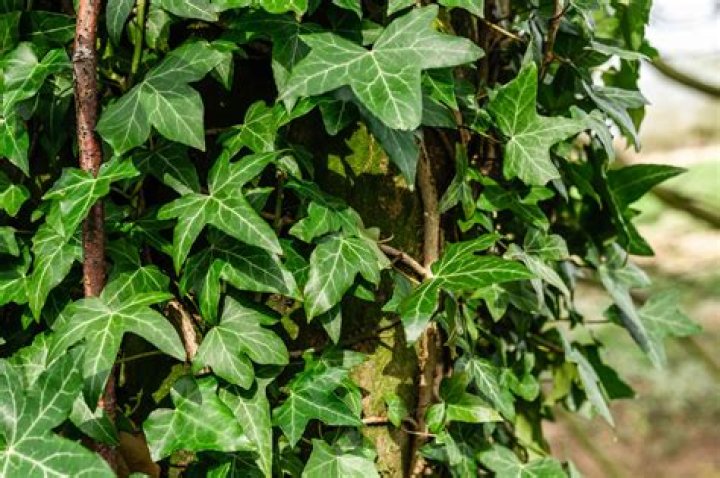
English ivy (Hedera helix) is a non-native invasive evergreen climbing vine that covers and kills trees. As a ground cover, this ivy chokes out other plants, creating an “ivy desert” where nothing else can grow. 
 Noah Mitchell